I want you to do something before you read the rest of this.
Open your sent messages and find the last quote nobody answered.
Not the one they turned down. The one where you walked the job, wrote it up that night, sent the number, and then heard nothing at all.
Look at the date on it.
Now count how many times you’ve started a follow-up since then and deleted it.
If the answer is “a few,” that’s completely normal. Writing that second message feels like admitting you need the work. So the quote sits there, and every day it sits makes the next message harder to send.
I’m the Customer Who Didn’t Write Back
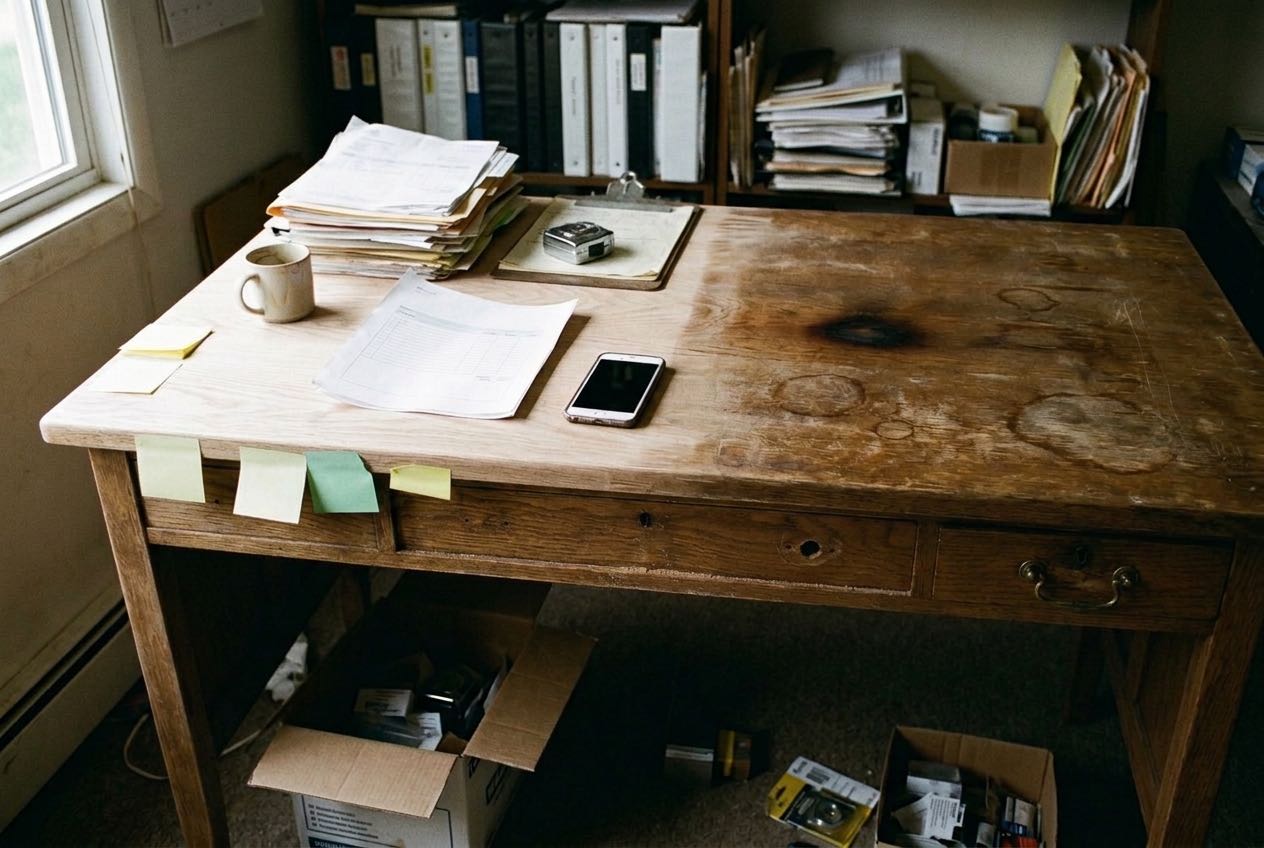
Right now there’s a quote in my inbox for cleaning and restoring a desk. I haven’t answered it.
The quote was high. But the reason I haven’t answered is that I’m waiting on somebody else.
There’s a person I’d rather have do the job, and they haven’t surfaced. And the desk needs doing soon.
So a quote I haven’t said no to is sitting unanswered on my side of the counter.
And if that vendor wrote to me again tomorrow, I’d probably give them the job.
That’s what one of those quiet quotes looks like from my side. From where you sit, silence looks like a no. From where I sit, it’s a decision I haven’t made yet, and a second message would probably make it.
How to Follow Up on a Quote
Send one short message, about three days after the quote went out.
Name the job, so they know which quote you mean. Ask one easy question: do they want to go ahead, or does anything in the quote need another look? Then give them an easy way to say no.
Leave the price alone. Don’t invent a deadline. Don’t apologize for writing.
That’s the whole of it. A customer who hasn’t answered hasn’t said no, and one plain message gives them something simple to answer, either way.
What to Actually Say
Here’s the kind of message I’d answer, if that vendor sent it:
Hi Susan, about the desk, the cleaning and restoring quote I sent over. Would you like to go ahead, or is there anything in it you’d want to look at again? And if you’ve gone another way, that’s fine, just say so and I won’t keep following up.
Read it again and notice what isn’t there.
No “just checking in.” No “I know you’re busy.” No apology for writing. No new price, no deal, no “spots are filling up.”
It names the job in the first words. It asks one question. And it hands me the easiest possible way out, which is exactly what makes it easy to answer.
That last line matters more than it looks. “Just say so and I won’t keep following up” tells me I’m allowed to say no.
When I’m told I’m allowed to say no, I say something. When I feel cornered, I say nothing and hope it goes away.
Write Yours in Two Minutes
If you’d rather not write it from scratch, there’s a free tool that does it for you.
Tell it what the job was, when the quote went out, and how you usually talk to this customer. It writes one short follow-up — email or text — in your voice. It won’t touch your price or invent a deadline, even if you ask it to.
Free. No email needed. Keeps nothing you type.
(Or keep reading. The rest of this covers what the message shouldn’t say, and when to send it.)
Don’t Cut the Price to Break the Silence
It’s the tempting move. Prices going up Friday. Ten percent off if you sign this week.
Go back to my desk.
I said that if the vendor wrote to me again or offered me a discount, I’d probably give them the job. Either one would probably do it.
Only one of them costs the vendor anything. Send the message first.
What you charge is a conclusion about what your life costs. Drop it to break a silence, and the silence set the number.
Same with a deadline you made up. If the quote really is good until a date, or you really can start a certain week, say it once, plainly, as information. If there’s no real date, there’s no date in the message.
When to Send It
About three days after the quote goes out. Long enough that they’ve had a real chance to read it. Soon enough that they still remember who you are.
The exact day matters less than having one. The follow-up that never gets sent is the one waiting for the right moment.
If You Paid for the Lead
If the job came in through Thumbtack, Angi or a site like them, two things change.
On several of those sites you paid when the lead arrived, before you knew whether the customer would answer. A follow-up won’t change what you paid. What it can do is give the job one more honest chance. It’s the cheapest thing left in the whole job.
Those leads also often go to other businesses at the same time. So don’t wait three days. Send it the next day.
And if you’re talking to the customer through the site’s own messages, keep the follow-up there. Some sites tie your refund to where first contact happened. Check your own site’s current terms before you move anyone onto your phone or your email.
What If They Still Don’t Answer?
One message is the job.
If they answer, good. Either answer. A clear no is worth having, because it ends the wondering and gives you your evenings back.
If they don’t, the silence is an answer for now. Let it go, and spend the time on the customers who are talking to you.
You did the work of walking the job and pricing it properly. You asked once, plainly, and you left the door open. That’s not chasing. That’s finishing what they asked you to start.
The Tool (Two Minutes, No Email)
I built a small tool that writes this message for you.
Tell it what the quote was for, when it went out, where the lead came from, and how you usually talk to this customer. It writes one short follow-up, as an email or a text, in your voice. It won’t touch your price, and it won’t make up a deadline, even if you ask it to.
It’s free, it doesn’t ask for your email, and it keeps nothing you type.
What’s Next
This is the third of the jobs from the six that should run themselves. The first two were the invoice reminder and the review request.
They’re all the same job, underneath. A message you already know how to write, that only goes unsent because writing it means deciding all over again whether you’re allowed to.
You are. Send the message. Then go do the work you’re actually good at.
Common Questions
How do I follow up on a quote?
Send one short message about three days after the quote went out. Name the job so they know which quote you mean, ask one easy question, and give them an easy way to say no. Leave the price alone and don’t invent a deadline.
How soon should you follow up after sending a quote?
About three days. Long enough that they’ve had a real chance to read it, soon enough that they still remember who you are. If the lead came from a site like Thumbtack or Angi, send it the next day, because those leads often go to other businesses too.
How do I follow up on a quote without being pushy?
Ask once, plainly, and make “no” easy to say. Pushy is a second question stacked on the first, a deadline that isn’t real, or a hint that they owe you an answer. Leave all three out and what’s left is a person asking a question they’re allowed to ask.
Should I offer a discount if a customer goes quiet after a quote?
No. A discount sent into a silence tells the customer the first number wasn’t the real one. A plain second message might get you the same yes, and it doesn’t cost you anything.
What if the customer never answers the follow-up?
One message is the job. If they don’t answer, the silence is an answer for now. Let it go, and spend the time on the customers who are talking to you.
The desk is real; the follow-up message is an example of what I’d answer, not one I received. Education only—not financial, tax, or legal advice.
Get next Tuesday’s essay. One a week on the business of your business — no pitch, no course, no funnel, just the next layer of the fog, taken apart.
You’re on the list. See you Tuesday.